
War, crisis & trade (2900–2800 BC)
Just a few centuries ago, cities were promises. Now… they're fortresses. War is no longer chaos… it's a system. Between 2900 and 2800 BC, Mesopotamia experiences its first total war: city-states like Lagash and Umma clash over land and canals with standardized armies. In Egypt, the death of Pharaoh Qa'a triggers the first great succession crisis — and from the chaos emerges Hotepsekhemwy, founder of the Second Dynasty, whose name means "The Two Powers Are at Peace." In Northern Europe, the first skiers appear on rock carvings, mastering the frozen north. And in China, comets and celestial phenomena become political omens. The world is learning to compete.
⚡ Before watching, do you know the answer?
What does the name of Pharaoh Hotepsekhemwy, founder of Egypt's Second Dynasty, literally mean?
Between 2900 and 2800 BC, power stopped experimenting and started to harden. In Mesopotamia, war became a professionalized system. Egypt survived its first great political earthquake. And across continents, trade routes began weaving a web of interdependence—and new forms of conflict. This page goes beyond the video to explore the deep structures of a world learning how to compete.
The Early Dynastic Period transforms Sumerian city-states into something new: regional military powers. Ur, Lagash, Kish, and Umma are no longer urban experiments. They are competitors locked in an open struggle for land, irrigation canals, and prestige. This isn't a seasonal skirmish anymore. It's planned, funded, and sustained conflict. Armies emerge with copper helmets, shields, spears, and battle carts pulled by onagers. The economic engine of war is born—prisoners become forced labor, and the hunger for metal reaches deep into Anatolia and the Iranian plateau.
Around 2890 BC, the solid foundation of unified Egypt starts to crack. Pharaoh Qa'a, the last ruler of the First Dynasty, dies. What follows is not a smooth transition, but a period of tension marked by looted royal tombs, violence, and disrupted funerary rituals. For the first time, a major state is forced to ask a terrifying question: who rules now? From this chaos emerges a new figure, Hotepsekhemwy, founder of the Second Dynasty. His name—"The Two Powers Are at Peace"—is a political manifesto. Egypt learns that unification is not a permanent state; it must be actively maintained.
Enjoying our content? Support us on Ko-fi

Your support helps us continue creating quality historical content
While states fight for power in the south, a different kind of mastery unfolds in Scandinavia. Around 2800 BC, the first rock carvings appear showing figures moving on skis. This is not leisure; it is survival technology—a way to hunt through the winter, follow herds, and stay mobile in a frozen world. These communities don't build palaces, but they achieve something equally profound: they become the masters of an environment that would have been lethal to others.
In the central plains of China, power takes a cosmic dimension. Agricultural communities depend on precise calendars, making the movement of celestial bodies a political necessity. Around 2900 BC, records of extraordinary events like comets are not just observations—they are seen as omens that can validate or doom a ruler's legitimacy. A new class of specialist emerges: the astronomer-official. They don't command armies, but they control the calendar, rituals, and the cosmic order. The core idea that political power must be in harmony with the heavens is taking root.
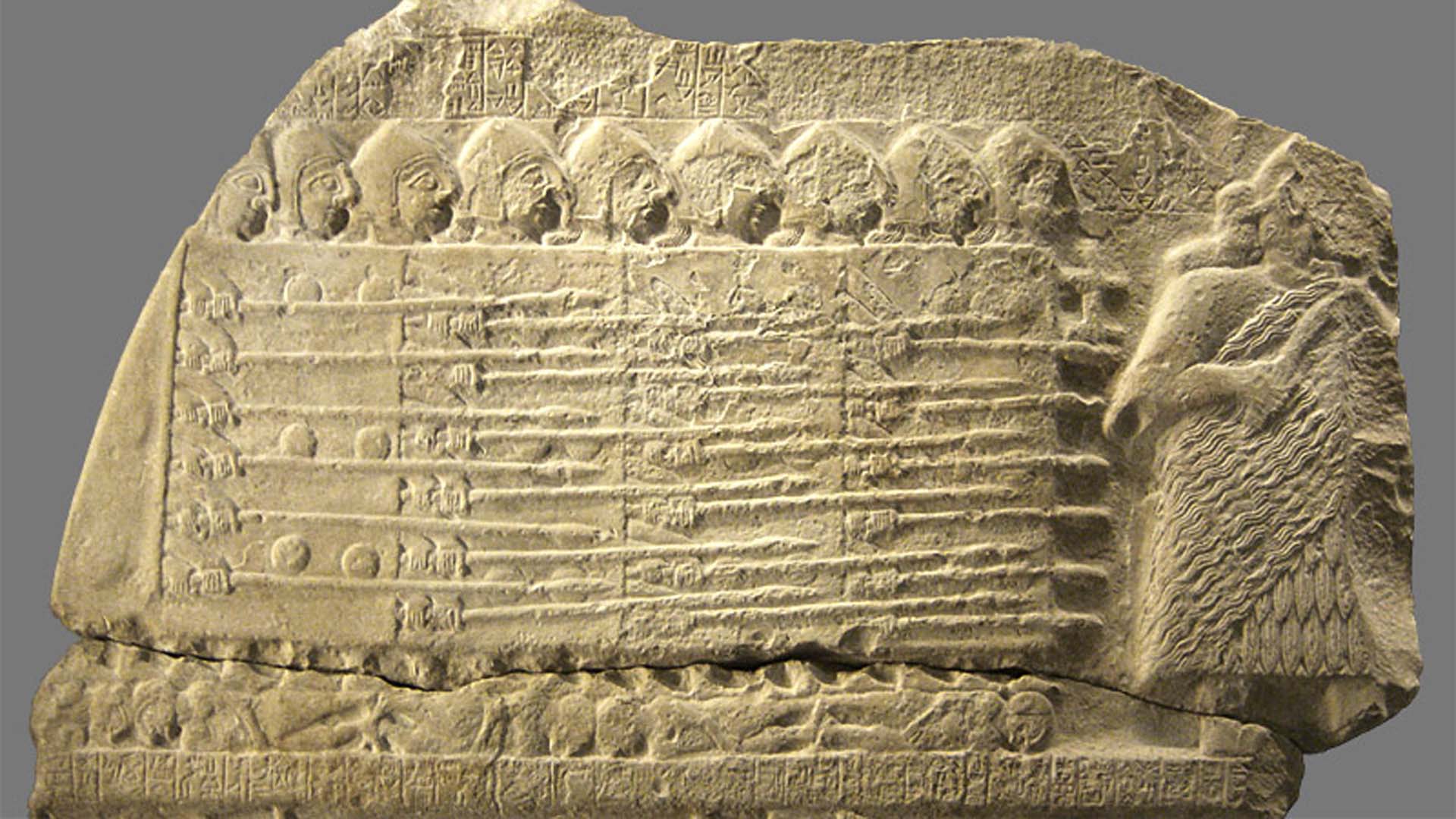
c. 2500 BC • Limestone • Girsu
A slightly later depiction, but it perfectly captures the organized, phalanx-based warfare that was born in this era.

c. 2880 BC • Steatite • Abydos
An object bearing the name of the Second Dynasty's founder, whose title was a direct political response to a national crisis.
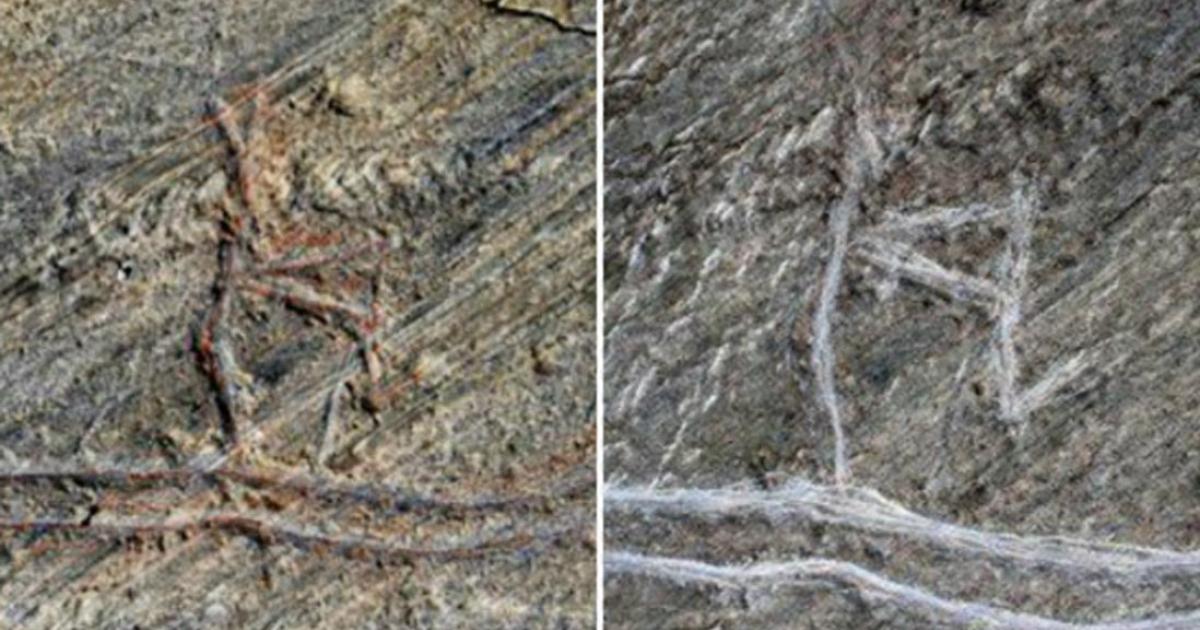
c. 2800 BC • Rock carving • Nordland, Norway
The earliest known depiction of a human on skis—a survival technology that conquered the frozen north.
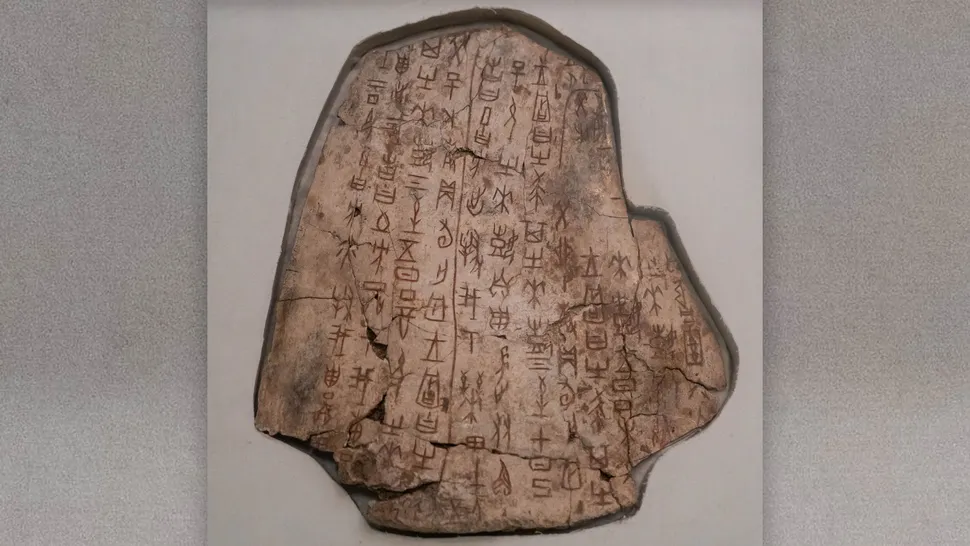
c. 2900 BC • Bone • China
While later Shang Dynasty bones are famous, this early period established the practice of using ritual objects to interpret the will of the heavens.
Enjoying our content? Support us on Ko-fi
Your support helps us continue creating quality historical content
Mesopotamia: The Early Dynastic Period begins. Sumerian city-states harden into regional powers and enter open conflict. The era of organized, state-funded warfare begins.
Egypt: Pharaoh Qa'a dies. A violent succession crisis erupts, with looted royal tombs and disrupted funerary practices. The first great stress test of the unified Egyptian state.
Egypt: Hotepsekhemwy ascends to power, establishing the Second Dynasty. His name, "The Two Powers Are at Peace," is a political manifesto after conflict.
Global Trade: Demand for tin and lapis lazuli consolidates long-distance trade routes from Anatolia and Afghanistan to Mesopotamia and the Indus Valley.
Northern Europe: First depictions of skis appear on Scandinavian rock faces. China: Celestial events are recorded and interpreted as political omens.
Enjoying our content? Support us on Ko-fi
Your support helps us continue creating quality historical content
The period 2900-2800 BC marks a fundamental shift in human conflict. War transitioned from a seasonal clash of militias to an organized, state-managed institution. The emergence of standardized equipment—copper helmets, shields, and battle carts—implies a logistical complexity and an economy geared for sustained output. This "early total war" was not just about victory; it was an economic engine. Prisoners became the first large-scale forced labor, plunder financed new campaigns, and the demand for metals drastically expanded trade. For the first time, political power became inseparable from the ability to wage and win organized war.
Enjoying our content? Support us on Ko-fi
Your support helps us continue creating quality historical content
The succession crisis in Egypt after Qa'a's death is a seismic event in the history of government. It demonstrated, for the first time, that territorial unification is not a guarantee of stability. A state needs institutions to manage the transfer of power and a form of legitimacy that goes beyond pure force. Hotepsekhemwy's response—a name that functioned as a political manifesto—shows us power learning from its own fractures. This was the first "system stress test" of a large state, and the hard-won lesson—that clear rules of succession are non-negotiable—would be learned again and again by future empires.
The simple demand for tin to make bronze became the engine of the first globalization. This metal, essential for both weapons and prestige, was not locally available in the great river valleys, forcing them to connect. Trade routes snaked thousands of kilometers from the mines of Anatolia and Afghanistan to the workshops of Ur and Memphis. Prestige goods like lapis lazuli became intercontinental commodities. This system made regions interdependent—and dangerously vulnerable. Whoever controlled a mountain pass or a desert route controlled power itself, turning trade into a new theater of war. By 2800 BC, the world was no longer a collection of isolated experiments. It was a dangerously connected network.
Answer these three questions about 2900-2800 BC:
1️⃣ What marked the transition to organized, state-funded warfare in Mesopotamia?
2️⃣ What significant innovation appeared in Northern Europe around 2800 BC?
3️⃣ What role did celestial phenomena play in China during this period?
 Subscribe